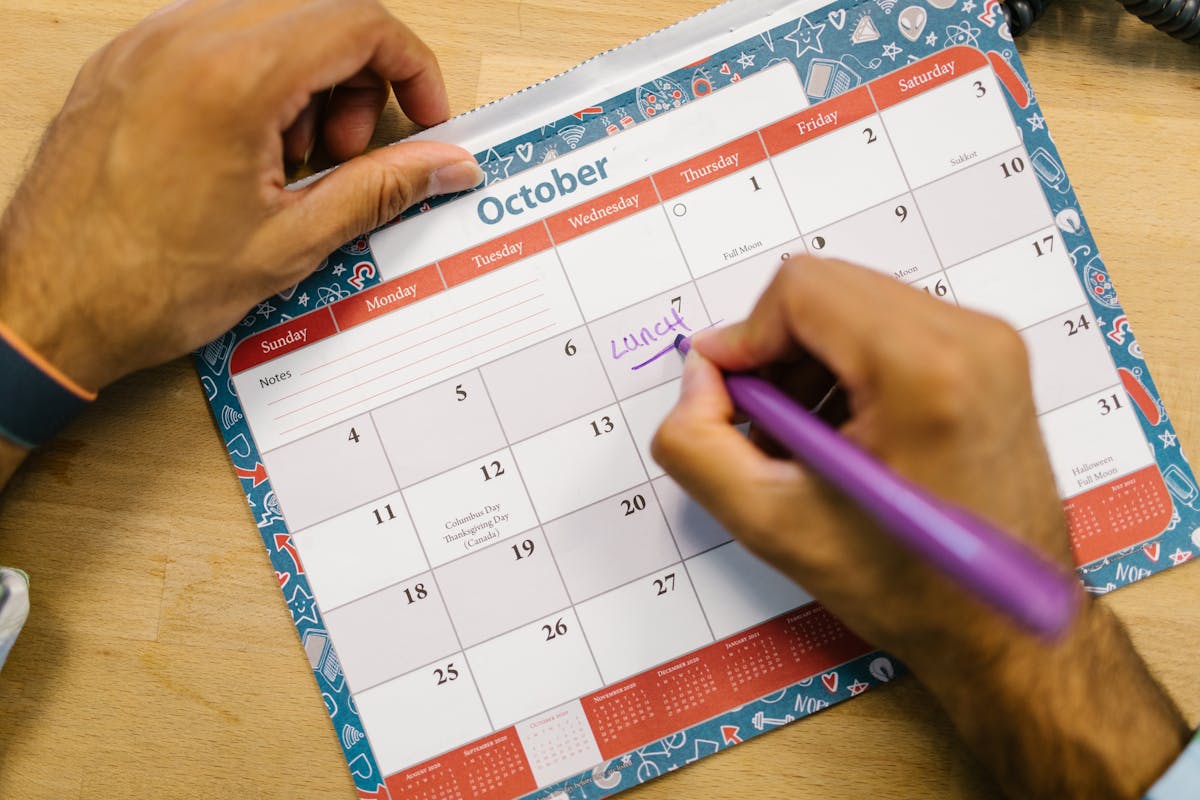
Accurate cycle tracking is the foundation of successful home ICI — it does not matter how well you execute the insemination itself if the timing misses your fertile window. Most insemination attempts that do not result in pregnancy can be traced back to incorrect timing rather than technique failures. This comprehensive guide teaches you to use all three primary fertility signs together, building a complete and reliable picture of your ovulation pattern.
The Three-Sign Approach to Cycle Tracking
The three primary fertility signs are basal body temperature (BBT), ovulation predictor kit (OPK) results, and cervical mucus (CM) quality. No single sign is infallible on its own: BBT confirms ovulation only after it has occurred, OPK strips can produce false positives in PCOS and false negatives if LH is brief, and CM alone can be affected by medications, infections, and hydration. Using all three signs together creates a robust, cross-validated picture of your fertile window.
The Fertility Awareness Method (FAM) based on these three signs has been practiced and refined over decades. Apps like Kindara, Natural Cycles, and Fertility Friend allow you to log all three signs simultaneously and will generate a predicted ovulation date based on your personal data. Over three to four cycles of consistent tracking, your predictions will become increasingly accurate as the app learns your unique pattern.
BBT Charting: Setup and Interpretation
Take your temperature every morning before getting out of bed using a two-decimal-place basal thermometer, at the same time each day. Log it immediately. After ovulation, progesterone causes a sustained temperature rise of 0.2–0.5°F that persists for the rest of your cycle. A confirmed ovulation requires three consecutive temperatures above your pre-ovulatory baseline — called the “thermal shift.” BBT alone cannot predict ovulation but is invaluable for confirming it happened and identifying your pattern over cycles.
A monophasic chart — one that shows no clear thermal shift — may indicate an anovulatory cycle (no ovulation). If your chart is monophasic for one cycle, repeat your tracking for another cycle before concluding there is an issue. If anovulation is confirmed over multiple cycles, consult your doctor. Certain conditions including PCOS, thyroid dysfunction, and significant weight change are associated with anovulation and can often be addressed medically.
OPK Testing: Timing and Protocol
Begin OPK testing on Day 9 of your cycle (Day 1 = first day of full flow) to avoid missing an early surge. Test twice daily during your fertile window — once between 10am and 2pm and once between 6pm and 9pm. Photograph every strip and import the photos into your app chronologically so you can see the line progression over days. The darkening trend, not just the final positive, tells the story of when your surge began.
Your positive OPK is your action trigger: inseminate within 12–36 hours of your first positive. If you get a positive OPK in the morning, plan to inseminate that evening or the next morning. If the positive appears in the evening, inseminate the following morning. Doing a second insemination 12–24 hours after the first covers both the pre- and post-ovulatory window, maximizing coverage of the period during which the egg is viable.
Cervical Mucus: Observation and Interpretation
Observe your cervical mucus each morning by checking your vaginal discharge on toilet paper, your underwear, or by clean finger insertion. Log its color, texture, and stretch-ability. The progression through your cycle goes: dry/nothing (menstrual and early post-menstrual) → sticky or crumbly → creamy (white, lotion-like, not stretchy) → egg-white cervical mucus (EWCM: clear, stretchy, can be stretched 1–2 inches between fingers) → dry again after ovulation.
EWCM is the gold-standard fertility sign for approaching ovulation — its presence indicates your body is creating the ideal environment for sperm survival. Sperm can live in EWCM for up to 5 days, making it a powerful preovulatory indicator. If you see EWCM alongside a building OPK (not yet at peak), consider inseminating even slightly before your full positive, especially if you have experienced short LH surges in previous cycles.
For a complete at-home insemination solution, the MakeAmom Babymaker Kit includes everything you need for a properly timed, sterile ICI cycle. For a complete at-home insemination solution, the MakeAmom Couples Pack includes everything you need for a properly timed, sterile ICI cycle.
Further reading across our network: MakeAmom.com · IntracervicalInsemination.org · IntracervicalInseminationKit.info · IntracervicalInseminationSyringe.info
This article is for educational purposes only and does not constitute medical advice. Always consult a qualified healthcare provider before making decisions about your fertility care.